

Aquaculture, as an important component of modern agriculture, plays a significant role in ensuring food security, promoting farmers' income growth, and protecting the ecological environment. However, with population growth and resource constraints, aquaculture faces numerous challenges. To enhance the efficiency of aquaculture, we need to start with the feed processing machinery, optimize feed formulas, improve feed utilization, reduce production costs, and ultimately achieve sustainable development.
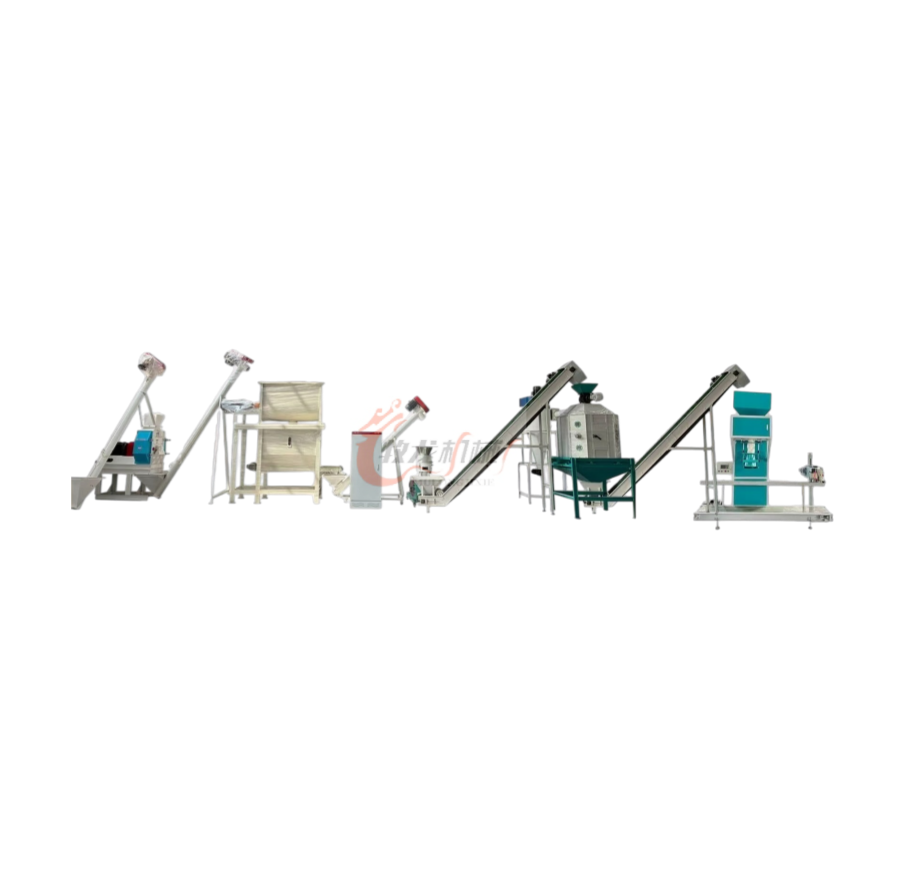
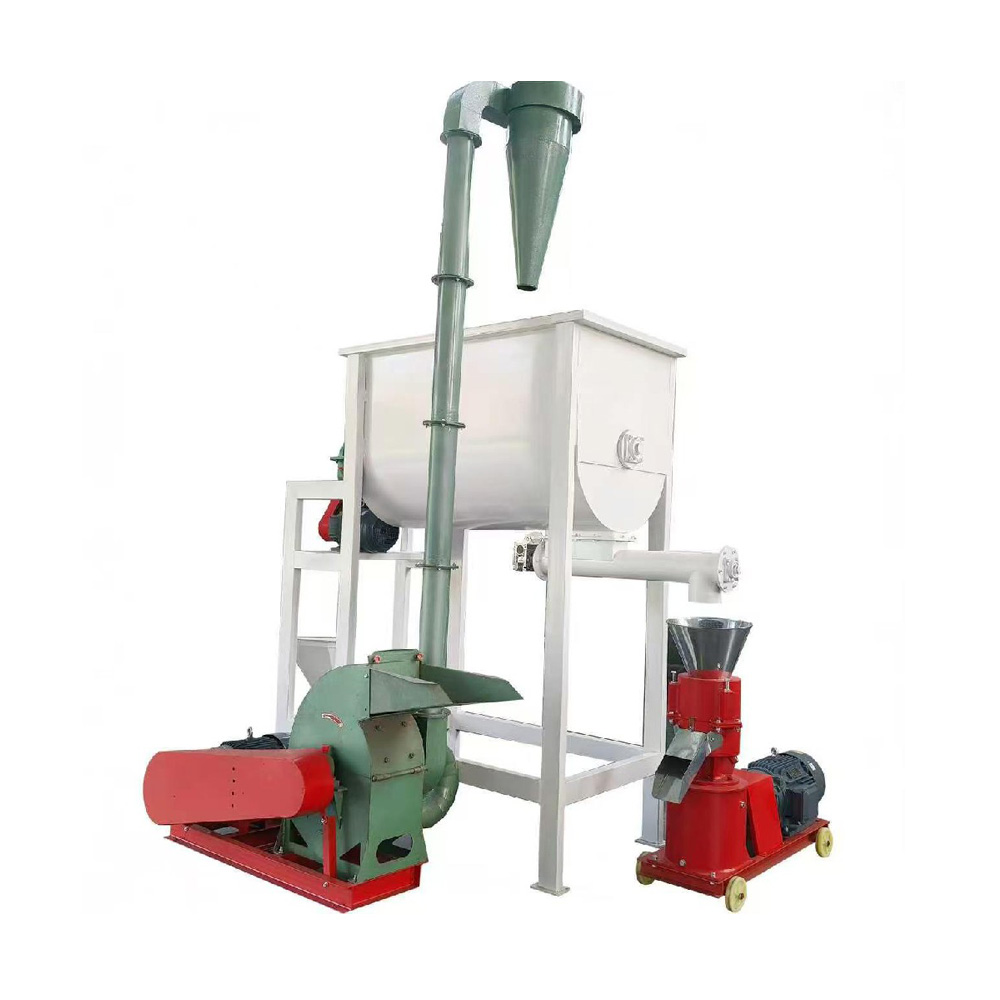
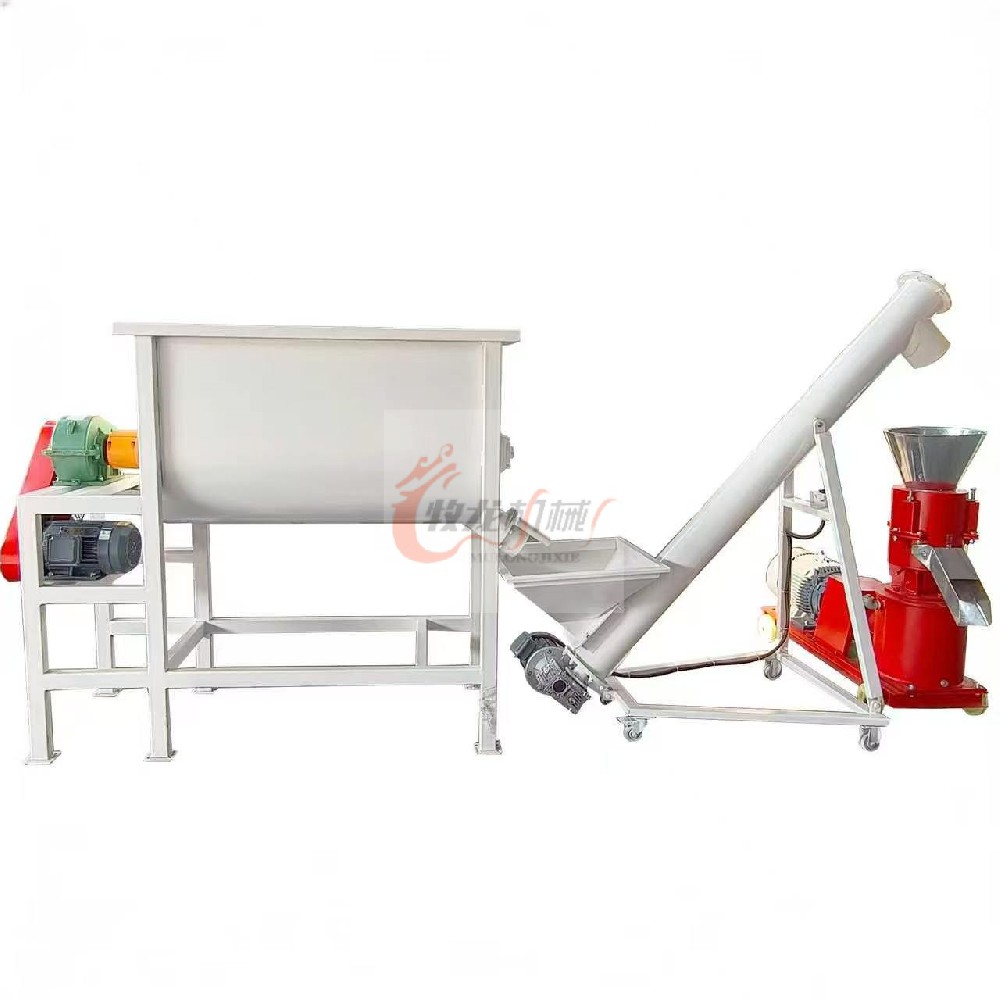
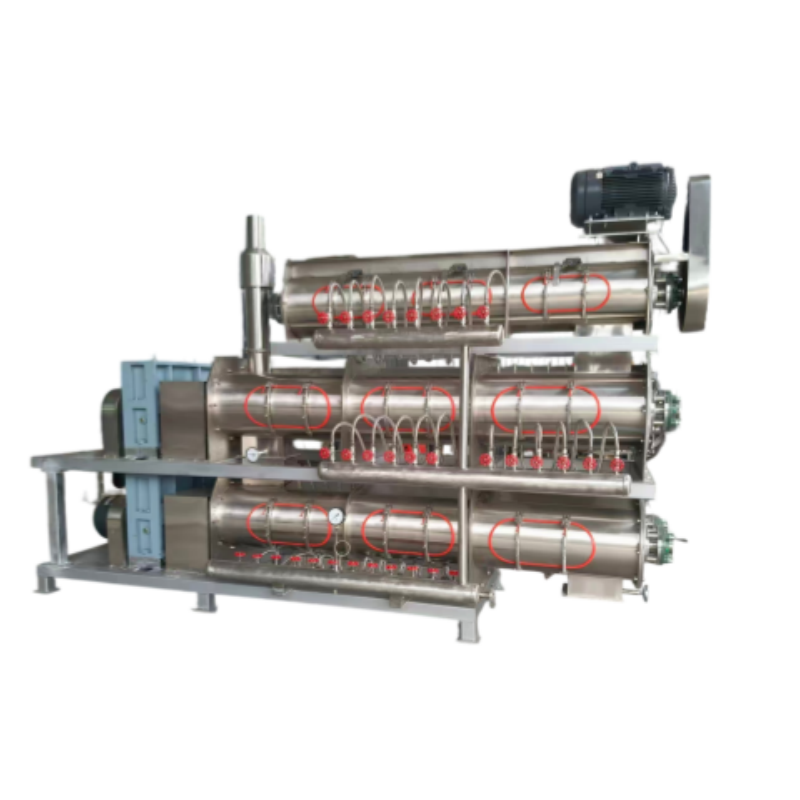
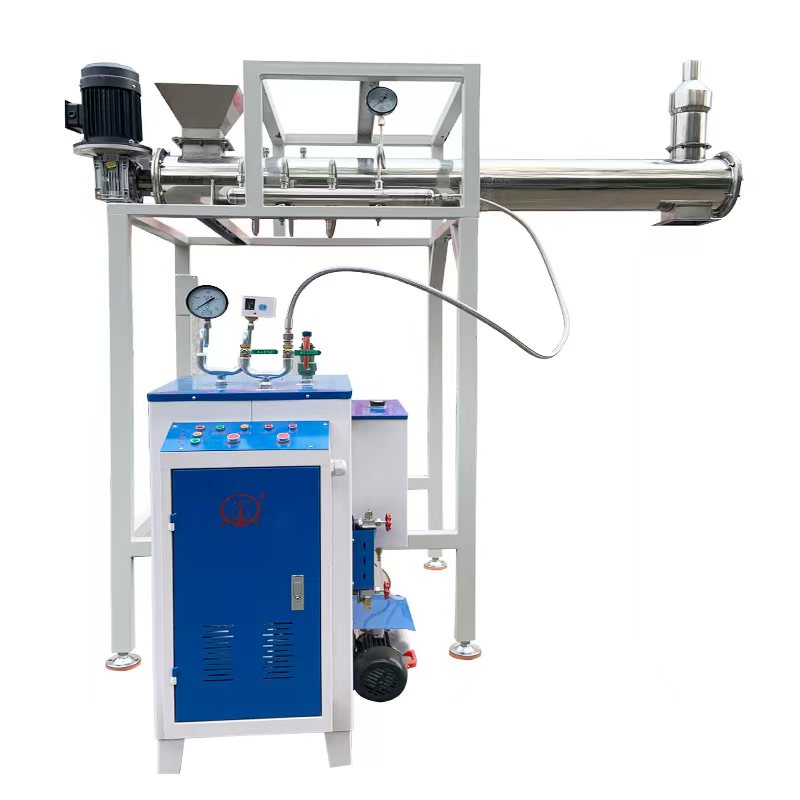
1. Scientific selection of feed processing machinery The choice of feed processing machinery directly affects the quality and output of feed. When purchasing feed processing machinery, equipment with stable performance, easy operation, and moderate price should be selected based on the characteristics of aquaculture. At the same time, attention should be paid to the energy-saving and environmental performance of the equipment to reduce energy consumption and environmental pollution. In addition, communication and cooperation with professional manufacturers should be strengthened to ensure after-sales service and technical support for the equipment.
II. Optimizing Feed Formula The feed formula is a key factor affecting the efficiency of aquaculture. Through a scientific feed formula, the growth rate, immunity, and disease resistance of aquatic animals such as fish and shrimp can be improved, thereby increasing output. To optimize the feed formula, we can take the following measures: 1. Reasonably match raw materials. According to the growth stage, variety characteristics, and local resource conditions of aquatic animals, select appropriate raw materials for combination, which can not only ensure nutritional balance but also reduce production costs.
2. Control the proportion of raw materials. Through scientific methods, calculate the proportions of various raw materials to ensure that the nutritional components in the feed meet the needs of aquatic animals.
3. Add appropriate additives such as enzyme preparations, antibiotics, vitamins, etc., which help improve the digestibility and absorption rate of feed as well as disease resistance.
III. Improving Feed Utilization Rate The selection of feed processing machinery and the optimization of feed formulas are only one aspect of improving the efficiency of aquaculture. To truly achieve efficiency, it is necessary to start by improving feed utilization rate. Specific measures include: 1. Strictly controlling feed waste. During the production process, it is necessary to ensure that every portion of feed can be fully ingested by aquatic animals, avoiding feed waste caused by improper operation.
2. Strengthen feed storage management. Reasonably control the storage environment and duration of feed to prevent deterioration, mold, and contamination, ensuring the safety and edibility of the feed.
3. Regularly test the quality of feed. Through laboratory testing and other means, timely understand the nutritional composition and hygiene status of feed, providing a basis for optimizing feed formulas.

 Home
 WhatsApp
 Mail